
How to Reduce Onsite Support Costs with Remote Video
Google’s recent move to add Emergency Live Video to Android’s 911 call centers is more than a public safety upgrade, it’s a powerful reminder of how transformative visual context can be in moments that demand speed, accuracy, and clarity. As reported in GovTech, this capability gives emergency operators the ability to see what callers are experiencing. This can dramatically improve situational awareness and response effectiveness.
The implications of this extend far beyond emergency services. Businesses today already have access to similar tools and the opportunity to use them to radically improve customer care, reduce operational costs, and streamline field service operations.
Remote visual engagement is no longer a futuristic concept. It’s here, proven, and already a competitive differentiator.
The Rise of Remote Video in Customer Care
In the business world, the same principle that helps 911 operators respond faster (seeing the problem without being there in person) is reshaping how companies support customers.
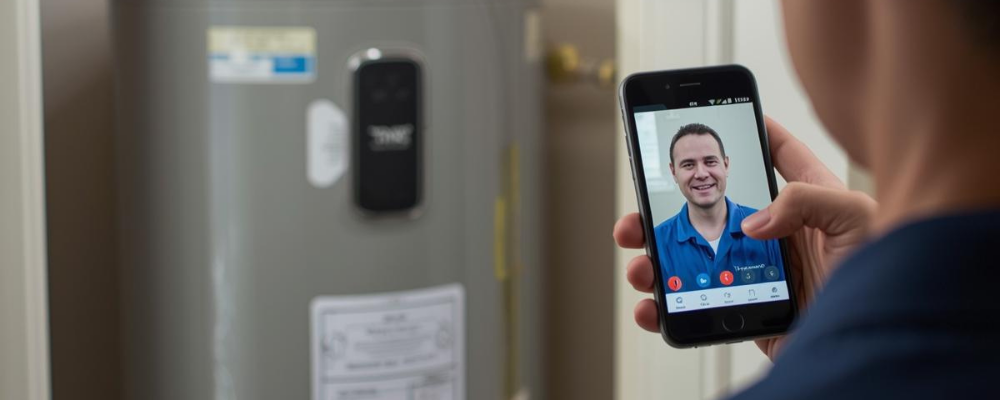
Modern platforms like 8×8 now embed live video directly into customer service workflows. Instead of relying solely on verbal descriptions or static photos, agents can instantly launch a secure video session, view the issue in real time, and guide customers through troubleshooting steps.
Benefits of Remote Video
Remote video allows companies to resolve problems quicky, more efficiently, waste less resources, and create happier customers.
Time to resolution is accelerated
When technicians can see the issues firsthand through remote video, problems can be diagnosed and resolved far quicker than relying on customers trying to describe things over the phone or back-and-forth troubleshooting. This real-time visibility eliminates guesswork, shortens diagnostics and allows the support team to deliver solution sin minutes rather than hours or days.
Customers receive faster, more personalized support
Remove video empowers support agents to guide customers through fixes with specific, tailored, step-by-step instructions based on what they’re seeing in the moment. Instead of generic scripts, a customer will get help that is specific to the situation without waiting for a technician to arrive between the hours of “10 and 3.” When humans can solve problems together in real time, everyone wins.
Technicians are dispatched only when necessary
Able to visually assess issues remotely, organizations avoid unnecessary truck rolls by confirming whether a situation really needs an in-person intervention. Many issues that once triggered an automatic dispatch can now be solved remotely, saving significant time, fuel, and money. When a site visit is required, it now can be done with full confidence that it’s the right use of resources.
Field service teams arrive better prepared when a visit is required
When technicians do need to make a physical visit, remove video assessments ensure they arrive with the right tools, parts, and context to fix the issue the first time. The environment has already been seen, problem understood, and repair planned appropriately before they ever step on site. Preparation like this reduces repeat visits, shortens job times, and boosts overall service efficiency.
In short, visual engagement bridges the gap between contact centers and field operations, creating a seamless, efficient service experience that leads to better First Call Resolution (FCR) and happier customers.
Examples of Remove Video Support in Schools:
- Classroom Tech Troubleshooting:
Teachers show IT what’s happening with smartboards, projectors, or audio systems so issues are fixed instantly without waiting for a technician.
- Multi‑Campus IT Triage:
Staff at remote schools stream network closets, Chromebook carts, or access points so IT can diagnose before driving out.
- Facilities & Maintenance Assessment:
Custodians share live video of leaks, HVAC alerts, or door hardware problems so maintenance knows urgency and what tools to bring.
- Substitute Teacher Support:
Subs get real‑time visual guidance on operating classroom tech, reducing lost instructional time.
- Device Damage Verification:
Students or teachers show cracked screens, charging issues, or error lights so IT can determine whether a device needs repair or a simple reset.
- Vendor Coordination:
Staff provide vendors with live visuals of security systems, telecom gear, or HVAC units so they can prepare properly or avoid unnecessary visits.
Why Reducing Truck Rolls Matters More Than Ever
A “truck roll” (sending a technician to a customer site) may sound routine, but it’s one of the most expensive components of field service operations. Each visit carries a stack of hidden and visible costs:
- Labor: Technician time spent traveling instead of resolving issues
- Fuel and vehicle wear: Rising fuel prices and maintenance expenses
- Inventory inefficiencies: Repeat visits due to missing parts or tools
- Opportunity cost: Fewer available hours for revenue‑generating work
And then there’s the customer experience. When issues require multiple visits, customers feel the impact immediately – longer downtime, repeated scheduling logistics, and frustration that could have been avoided. Plus, delays and unclear timelines erode trust. And trust is the foundation of long-term customer relationships.
The real impact of excessive truck rolls:
- High operational costs: Fuel, insurance, and technician wages add up quickly.
- Customer dissatisfaction: Repeat visits lower first-time fix rates and frustrate clients.
- Lost productivity: Technicians spend time traveling instead of resolving issues.
- Remote visual assistance directly addresses these pain points by enabling accurate remote diagnostics and empowering customers to resolve simple issues themselves.
Actionable Strategies for Businesses
- Integrate Video into Customer Care
- Use platforms like 8×8 to embed video into contact centers.
- Train agents to guide customers through troubleshooting remotely.
- Use video to validate customer-performed steps before escalating to field service.
- Leverage remote diagnostics to pre-quality whether a truck roll is even needed.
- Standardize when and how video should be used
- Reduce “no fault found” visits by enabling customers to solve simple issues themselves.
The Vertical Difference
Vertical specializes in helping businesses deploy these technologies in a way that’s practical, scalable, and aligned with real-world workflows. By integrating remote video, Vertical and their technology partners enable companies to increase customer satisfaction, reduce costs, and transform how their service is delivered.
Conclusion
Just as Google is giving 911 call centers “eyes on the scene” to improve emergency response, businesses have the opportunity to bring that same clarity and efficiency to customer care. Remote visual engagement is no longer optional – it’s a strategic advantage.
With the right technology and the right partner, you can turn your customer care operations into a proactive, efficient, and cost-savings engine.
Ready to modernize your service experience and reduce truck rolls? Vertical can help you get started today.
About the Author

Julie Strange is the Marketing Manager for Vertical Communications. In previous lives, she was the founder and CEO of a cookie company; an Adjunct Professor at the School of Information Science at the University of Maryland; a Technology Consultant for small businesses and non-profits; and the Director of an internationally cooperative library chat service for the State of Maryland. She holds a Master of Information and Library Science (MLIS) from Rutgers University. When she’s not working, she enjoys traveling, eating delicious foods, watching movies, and spending time with friends and family. She lives in the DC Metro area with her husband and son.




 ©2026 Vertical Communications. All Rights Reserved.