
Take Control of Your Text Messaging Costs
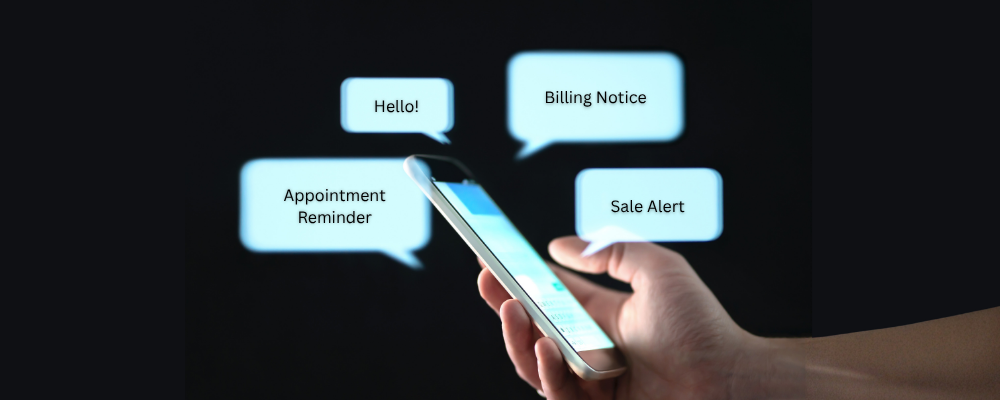
Understanding “Segments” in Text Message Pricing
Your text message might look like one clean bubble. Your carrier sees something very different – and they bill you for it. Before you add an emoji to that appointment reminder template, let’s talk about segments.
Segments are small units of text determined by the message’s length and the type of characters it contains. This means a message you think of as “one text” may be billed as two, three, or more segments. Simple emojis, long winded copy, or special characters can multiply the cost.
Understanding how segments work helps you predict your messaging costs and avoid surprises at billing time.
What a “Segment” Actually Is
A segment is a block of characters defined by mobile carrier standards. Each message you send is broken into one or more of these blocks depending on:
- The encoding used (GSM‑7 vs. UCS‑2)
- The number of characters
- Whether the message includes emoji, accented characters, or special symbols
- Whether the message is sent as SMS or MMS
Carriers charge per segment, not per message.
SMS vs. MMS: Why It Matters for Segments
SMS (Short Message Service) is used for plain text messages. SMS messages have strict character limits based on encoding rules:
- GSM‑7 encoding (standard letters, numbers, punctuation)
- 160 characters = 1 segment
- Longer messages are split into 153‑character segments
- UCS‑2 encoding (emoji, accented letters like é, ñ, ü, or non‑Latin characters)
- 70 characters = 1 segment
- Longer messages are split into 67‑character segments
Even simpler, think of GSM-7 as “the basic alphabet” and UCS-2 as switching you into “everything else” mode.
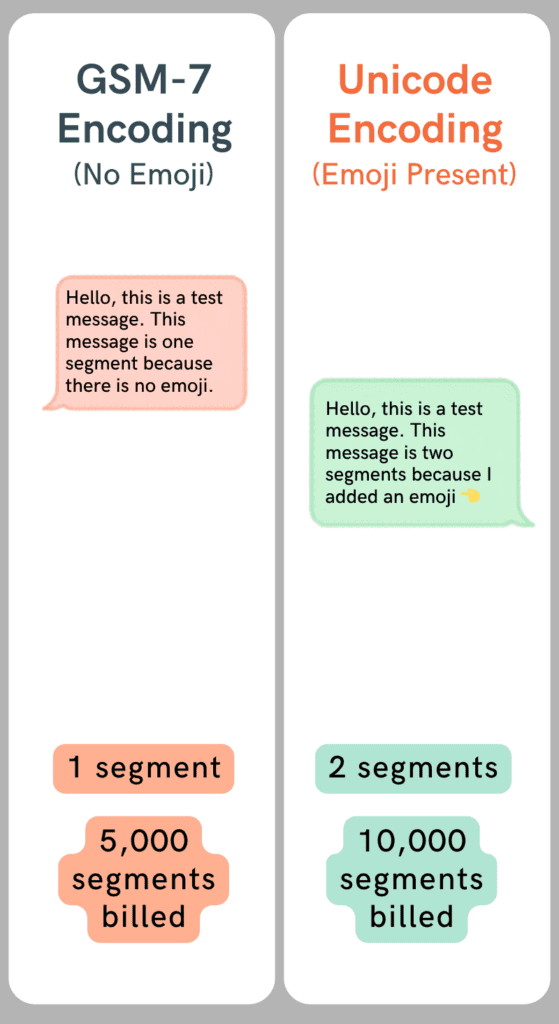
Even a single emoji can switch your message from GSM‑7 to UCS‑2, dramatically reducing the characters allowed per segment.
message with emoji? = UCS-2 = fewer characters allowed = more segments = more cost to you
MMS (Multimedia Message Service) is used when your message includes images, videos, audio files, documents, or even messages to a group (one to many). MMS messages are not segmented the same way as SMS. Instead:
- They allow up to 1600 characters
- They are billed as one MMS per recipient
- Attachments must fit within a 1 MB size limit
How Segments Affect Billing
Because carriers bill per segment, not per message, your cost depends on how many segments your message contains.
A single emoji or a long-winded message can see your costs doubled or tripled.
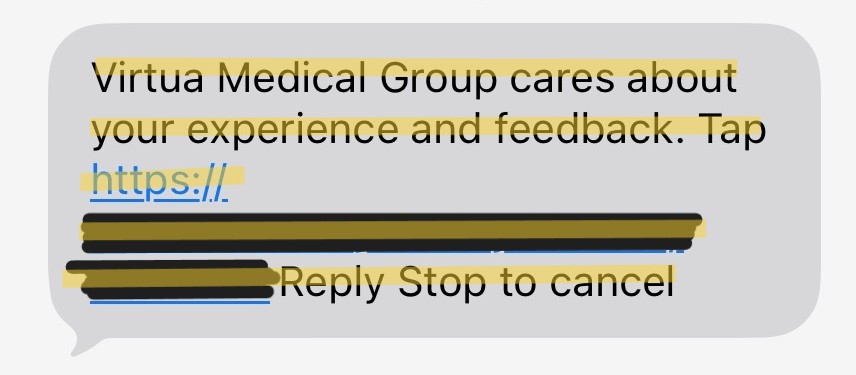
Real-world examples
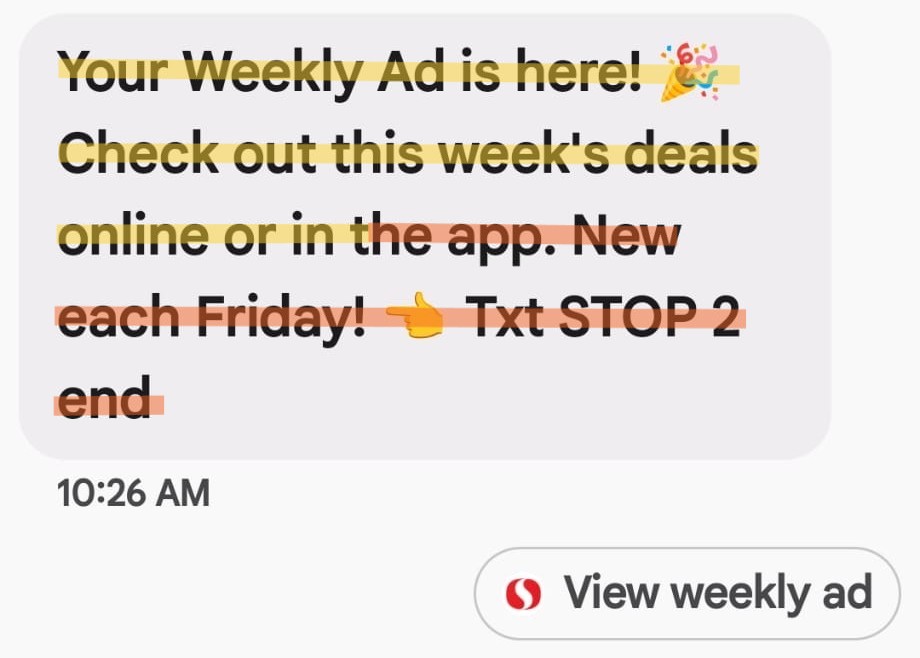
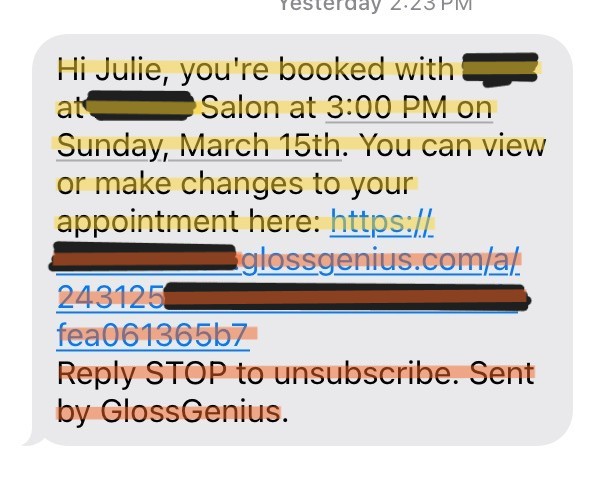
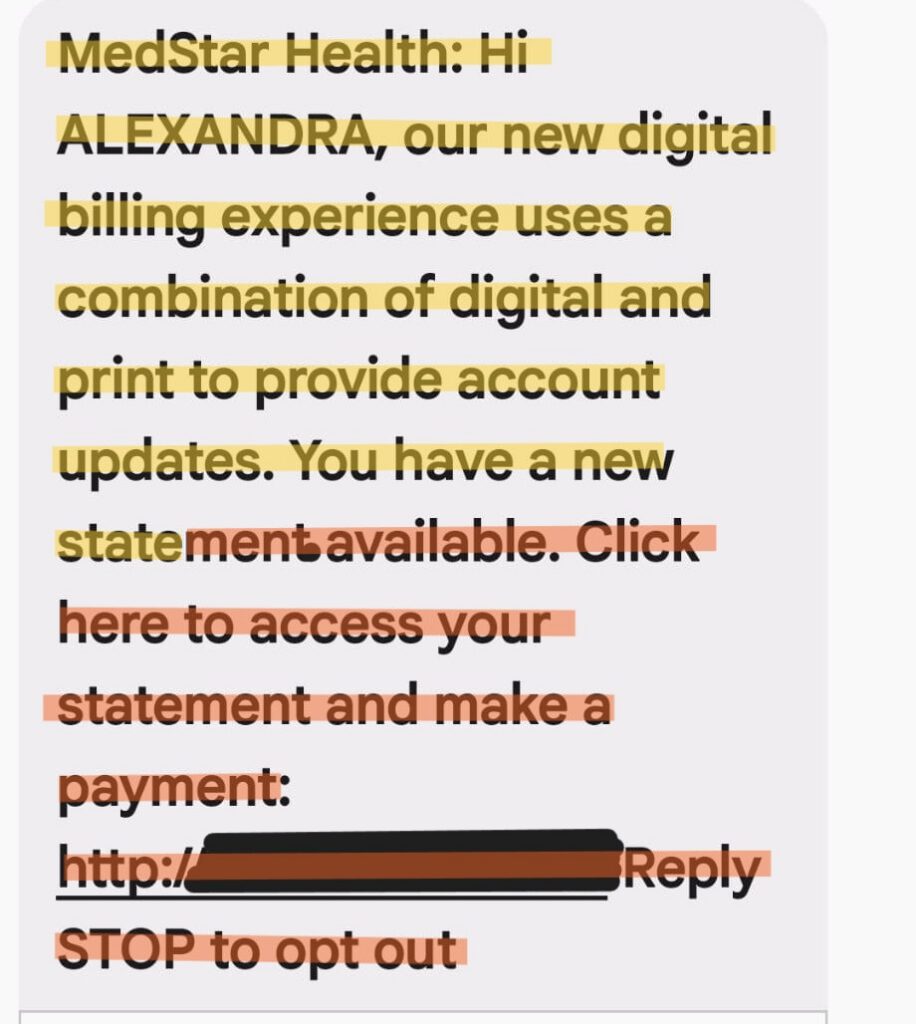


This one includes a photo which means it is an MMS and not subject to segmentation.
Segment-Safe Writing Checklist
Reduce unexpected charges by:
- Keep messages under 160 characters
- Avoid emoji and special characters in automated messages
- Use templates designed to stay within one segment
- Send links instead of long text blocks
- Use link shorteners
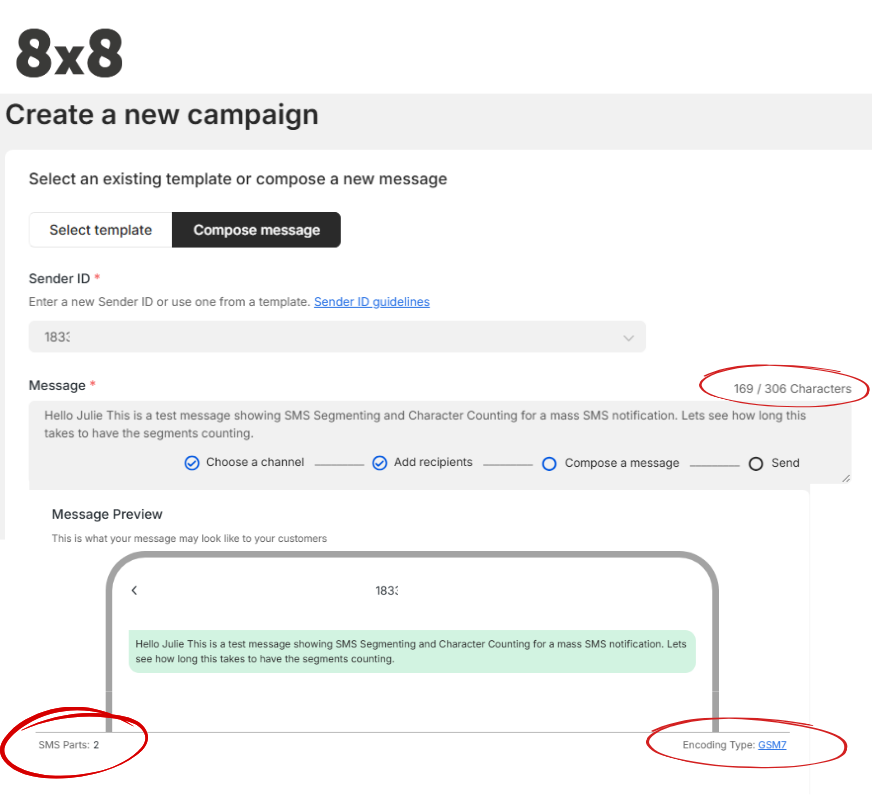
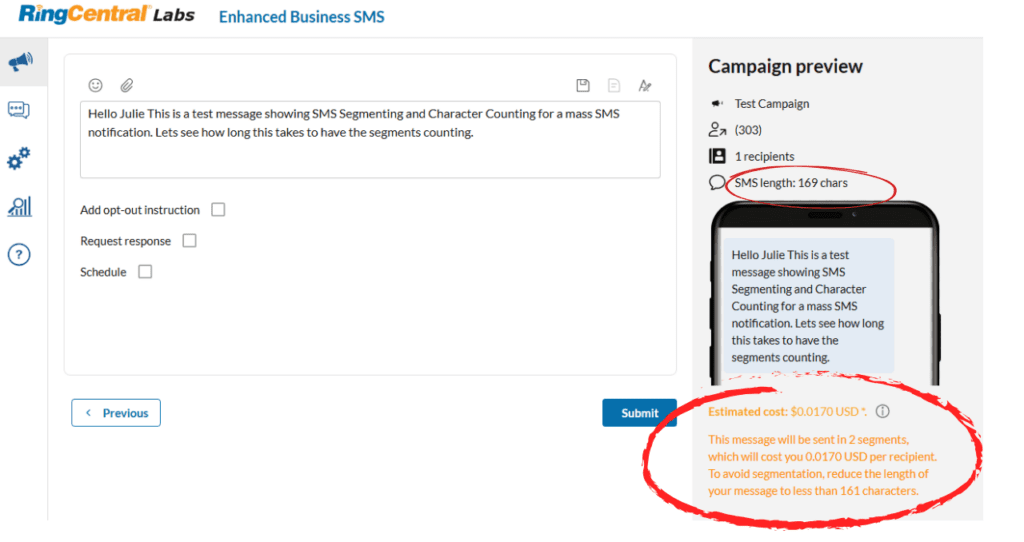
- Test messages in your platform’s segment counter
Conclusion
Managing segments isn’t about becoming a telecom expert (that’s our job) – it’s about protecting your margins. When you understand how carriers count and bill your messages you can write smarter, send smarter, and keep costs predictable. A few small adjustments to your templates and automations can mean thousands saved over the course of a campaign.
Smart messaging starts with clarity. And clarity starts with knowing exactly what you’re paying for.
Schedule a call with a Vertical Expert and dive deeper into what costs might be hiding in your current business communications systems.
About the Author

Related Articles
Our selection of articles and videos from leading Cloud Communications experts will make you smarter as you consider next steps for your digital transformation.

 ©2026 Vertical Communications. All Rights Reserved.